What is a Coffee Roaster and How Does It Impact Your Brew?
A coffee roaster is a pivotal element in the journey of coffee from bean to cup. This specialized equipment not only transforms green coffee beans into aromatic, roasted delights but also plays a crucial role in determining the flavor profile and overall quality of the brew. Understanding the intricacies of how a coffee roaster operates can significantly enhance one’s appreciation for coffee and its diverse characteristics. The roasting process involves various variables, such as temperature and time, which can affect the beans’ chemistry and ultimately influence the taste of the brewed coffee.
Moreover, the impact of a coffee roaster extends beyond just the immediate roasting process; it also dictates how the beans are utilized in brewing methods. Different roasting techniques—light, medium, or dark—release distinct flavors and aromas, shaping the sensory experience of every sip. By exploring the functionalities of a coffee roaster and the nuances of the roasting process, coffee enthusiasts can unlock a deeper understanding of their favorite beverage. Whether you're a casual drinker or a passionate connoisseur, recognizing the importance of the coffee roaster will enhance your coffee journey and elevate your brewing experience.
What is a Coffee Roaster?
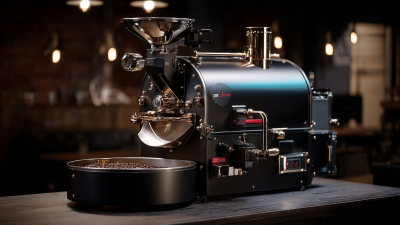
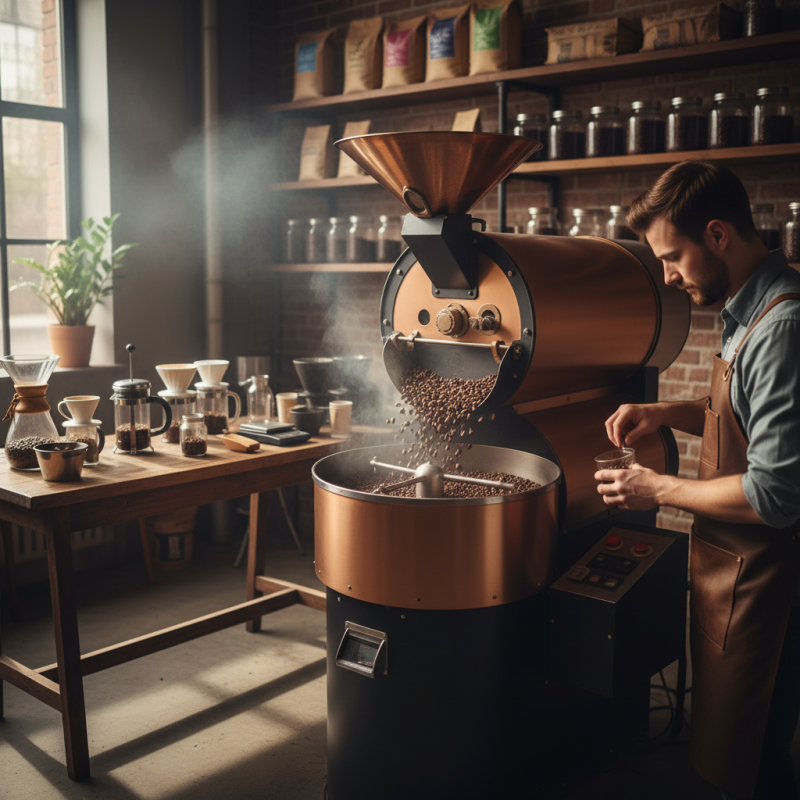
A coffee roaster is a specialized piece of equipment used to transform green coffee beans into the aromatic, brown beans we know and love. The roasting process involves applying heat to the beans, causing them to undergo various chemical changes that develop their flavors, aromas, and colors. Roasting can be performed in different types of machines, each offering unique temperature controls and roasting profiles that influence the final taste of the coffee. The final product can range from light to dark roast, with each style offering distinct flavor notes, acidity levels, and body.
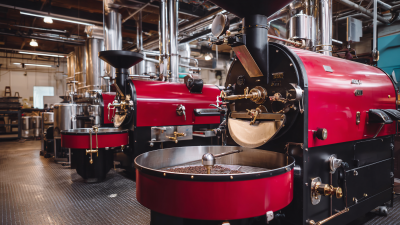
When selecting a coffee roaster, it’s essential to consider the size and type of roaster that fits your needs. Smaller, home-based roasters are perfect for enthusiasts looking to experiment with different beans and roasting styles, while larger commercial roasters cater to businesses aiming to produce large quantities. Remember that the roasting technique significantly impacts the flavor profile of the brew; for instance, a lighter roast generally preserves more of the bean's natural flavors, while a darker roast tends to impart a bolder, richer taste.
Tips: When home roasting, ensure your beans are fresh and stored in an airtight container to maintain flavor. Always monitor the roast closely, as small changes in time and temperature can lead to drastically different outcomes. Experimenting with various roasting times can help you find the perfect balance that suits your personal taste preferences.
History and Evolution of Coffee Roasting
The history of coffee roasting dates back centuries, tracing its roots to the Arab world in the 15th century where the coffee bean was first cultivated. Initially, coffee was prepared by crushing the beans and boiling them in water, but as its popularity grew, so did the methods of preparation. The practice of roasting emerged as a pivotal step, as roasting coffee beans transforms their raw form into aromatic morsels that yield the rich flavors we savor today. This evolution marked a shift from simple beverage to an art form, as roasting techniques became more sophisticated over time.
By the 17th century, coffee roasting had spread to Europe, leading to the establishment of coffee houses that quickly became cultural hubs. As roasting progressed, various styles were developed, reflecting local tastes and preferences. Early methods involved roasting over an open flame, which required skill to prevent burning the beans. The Industrial Revolution further propelled coffee roasting into a commercial field, introducing machines that ensured consistency and efficiency. Today, the craft of roasting has reached new heights with advancements in technology, allowing roast profiles to be finely tuned for specific flavor notes. This deep history highlights the significance of roasting not only in coffee production but also in shaping social interactions and culinary experiences around the world.
What is a Coffee Roaster and How Does It Impact Your Brew?
| Roasting Level |
Description |
Flavor Notes |
Best Brewing Method |
| Light Roast |
Light brown color, no oil on surface |
Bright acidity, floral, fruity |
Pour Over, Aeropress |
| Medium Roast |
Medium brown color, no oil on surface |
Balanced flavor, caramel, nutty |
Drip Coffee, French Press |
| Dark Roast |
Dark brown to black color, oily surface |
Bittersweet, smoky, chocolatey |
Espresso, Moka Pot |
| French Roast |
Very dark brown, shiny oil |
Charred, heavy body |
Cold Brew, Espresso |
Types of Coffee Roasters: Comparing Methods
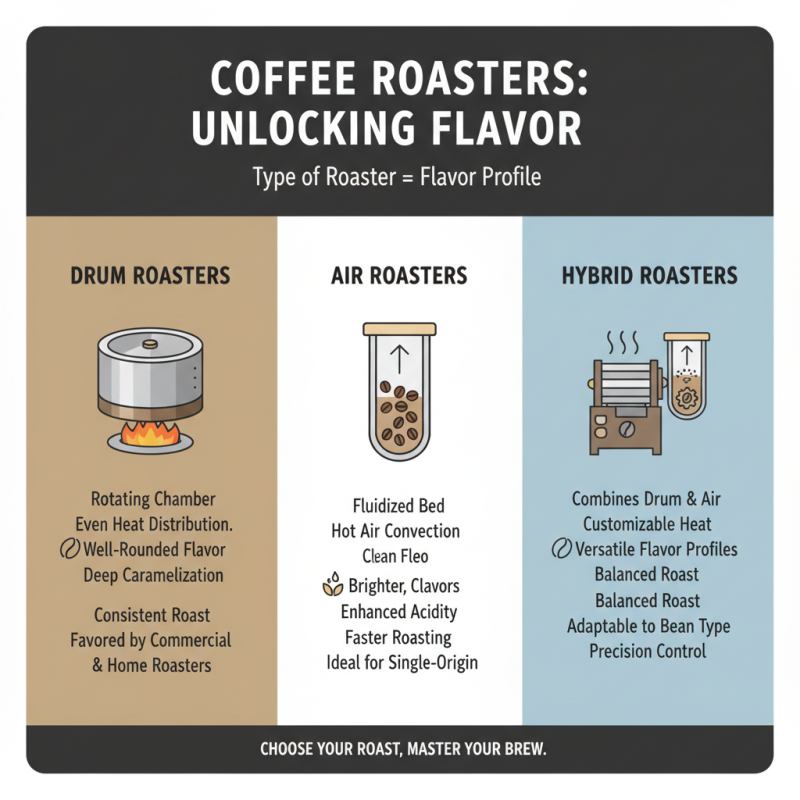
When it comes to brewing the perfect cup of coffee, the type of coffee roaster used can significantly influence the flavor profile and overall outcome. The main categories of coffee roasters include drum roasters, air roasters, and hybrid models. Drum roasters operate by using a rotating cylindrical chamber that evenly distributes heat, resulting in a well-rounded flavor. This method is favored by both commercial and home roasters for its ability to produce a consistent roast with deep caramelization.
Air roasters, on the other hand, utilize a convection heating method where hot air circulates around the coffee beans. This technique often leads to a brighter, cleaner taste with more pronounced acidity, making it ideal for lighter roasts. For those seeking versatility, hybrid roasters combine elements of both drum and air roasting, allowing users to experiment with various profiles and achieve unique flavor dimensions.
Tips: To enhance your brewing experience, consider your desired coffee flavor when selecting a roaster type. Experimenting with different roasting times and temperatures can also unlock distinct characteristics in your beans. Additionally, paying attention to the roast level—whether light, medium, or dark—can significantly impact the final taste, so be sure to choose according to your preference for a balanced cup.
The Science Behind Coffee Roasting and Flavor Development
The process of coffee roasting is a delicate dance of science and art, where heat transforms green coffee beans into the aromatic brown morsels cherished around the world. During roasting, various chemical reactions occur that significantly influence the flavor profile of the coffee. One key process is the Maillard reaction, which begins to occur at around 300°F (150°C) and leads to the development of complex flavors and aromas. The sugars and amino acids present in the beans interact, creating an array of flavors ranging from nutty to caramel-like, providing the foundational taste that defines a coffee’s unique character.
Another crucial phase in roasting is the breakdown of chlorogenic acids, which contribute to the acidity and bitterness of coffee. As the beans roast, these acids decompose, impacting not only the taste but also the subjective perception of the coffee’s smoothness or sharpness. The duration and temperature of the roast play pivotal roles in this transformation. A light roast may preserve more of the inherent acidity and brighter flavors, whereas a darker roast tends to emphasize deeper, bolder notes and reduces acidity. Understanding these scientific principles allows roasters to craft distinct profiles that cater to diverse palates, ultimately guiding the coffee experience from bean to cup.
Coffee Roast Levels and Their Flavor Profiles
Impact of Roasting on Brew Quality and Taste Profile
The process of roasting coffee beans is a crucial step that significantly impacts the quality and flavor profile of the final brew. Roasting transforms the raw, green coffee beans into the aromatic, dark brown beans that coffee lovers cherish. Depending on the temperature and duration of the roast, beans develop varying flavors, acidity levels, and aromas. Light roasts typically retain more of the beans' original characteristics, showcasing bright acidity and floral notes, whereas dark roasts bring out a richer, bolder, often bittersweet flavor with less acidity.
The impact of roasting on brew quality is also evident in how it affects the extraction process. A finer grind of dark roasted beans may lead to a quicker extraction, sometimes resulting in an overly bitter brew if not monitored carefully. Conversely, the lighter roasts require longer extraction times to fully extract their nuanced flavors, necessitating careful attention to brew methods and water temperature. Therefore, the choice of roast not only influences the taste but also demands adjustments in brewing parameters, illustrating the profound relationship between roasting profiles and the overall coffee experience.