How to Choose the Best Long Range Camera for Your Needs?
Choosing the best Long Range Camera can be challenging. With so many options available, how do you know which one suits your needs? A Long Range Camera should provide excellent image quality and reliability. It needs to perform well in various conditions, whether you're tracking wildlife or capturing scenic views.
Understanding your specific requirements is crucial. What will you primarily use the camera for? Do you need advanced zoom capabilities or high resolution? Some cameras excel in low light, while others may struggle. Researching brands with a solid reputation will help. Look for reviews that share real user experiences.
Remember, the best choice isn’t always the most expensive one. Sometimes, affordable options provide excellent value. However, be cautious of overly cheap models. They may fall short in durability and performance. A Long Range Camera should be a practical investment that meets your unique demands. Reflect on your priorities to make an informed decision.
Understanding Long Range Cameras: Key Features and Specifications
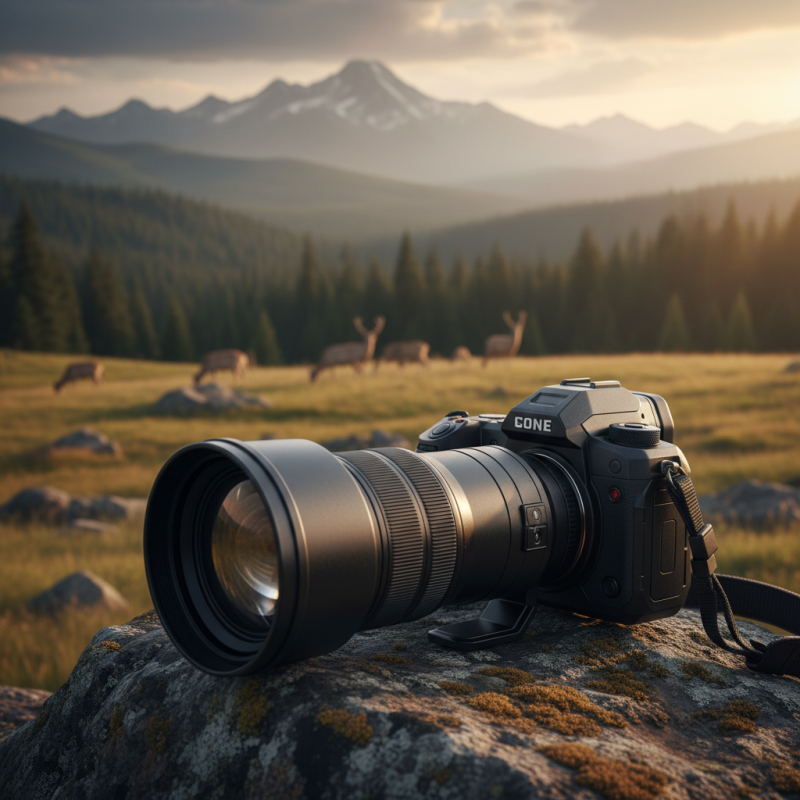
When selecting a long range camera, understanding key features is crucial. Look for resolution. Higher megapixels provide clearer images, especially at distances. Zoom capabilities also matter. Optical zoom offers better quality than digital zoom. A camera with at least 10x optical zoom is a solid choice for detailed shots from afar.
Consider image stabilization technology. This feature helps maintain clarity, reducing blurriness from movement. Battery life is another important factor. Long shoots require a camera that can last through the day. Weather resistance can also be beneficial if you plan to shoot outdoors.
Don’t forget to check connectivity options. WiFi and Bluetooth allow for easy sharing of images. Ergonomics play a role too. A comfortable grip and intuitive controls enhance user experience. Reflect on your specific needs. Finding the perfect balance may take time and experimentation, but the right camera will elevate your photography.
Image Sensor Types: Impact on Quality and Range in Long Range Cameras
When selecting a long-range camera, understanding the image sensor type is crucial. Image sensors come in various types: CCD, CMOS, and others. Each has distinct characteristics that impact image quality and range. According to a report by the Imaging Industry Association, CMOS sensors dominate the market, representing over 50% of sales in 2022 due to their high efficiency and performance.
The resolution of the sensor plays a significant role in image clarity. A camera with a higher megapixel count typically captures finer details. However, manufacturers often inflate megapixel numbers without ensuring quality. A study conducted by the National Institute of Standards and Technology found that image quality metrics are more critical than resolution alone. A well-calibrated, lower-megapixel sensor can produce superior images when combined with excellent optics and advanced processing technology.
Light sensitivity is another key factor. Sensors with larger sizes can capture more light, improving performance in low-light conditions. However, larger sensors can come with challenges, such as increased weight and cost. Balancing these aspects requires careful thought. The best long-range camera for you will hinge on your specific use case, whether for wildlife observation, landscapes, or security surveillance.
Lens Options: Focal Length and Aperture for Optimal Performance
When selecting a long-range camera, lens options play a crucial role. Focal length and aperture significantly impact image quality. A longer focal length allows you to capture distant subjects clearly. However, too much magnification can make images shaky. A tripod is often necessary for stability.
Aperture controls light and depth of field. A wider aperture (lower f-stop) allows more light, helping in low-light situations. But this can lead to a shallow depth of field, which may not be ideal for all subjects. Balancing these factors creates optimal performance tailored to your photography style.
Tips:
Consider your typical shooting environment. If it’s often bright, a smaller aperture works. For wildlife photography, you might favor a longer focal length with a moderate aperture. Be mindful of your skills; a complex setup might lead to missed opportunities. Test different settings to see how they perform in real scenarios. Always be ready to adjust based on conditions.
Evaluating Zoom Capabilities: Optical vs Digital Zoom Ratios
When choosing a long-range camera, understanding zoom capabilities is critical. Zoom options primarily fall into two categories: optical and digital. Optical zoom uses the lens's physical properties. It generally provides superior image quality. This is due to maintaining resolution, even at maximum zoom levels. Reports state that cameras with higher optical zoom ratios can capture images with more detail and less distortion, often boasting zoom ratios of 10x to 30x.
In contrast, digital zoom is more about cropping the image. This can result in a loss of clarity, as it enlarges a portion of the photo rather than producing a fresh, detailed image. Many experts warn against relying too heavily on digital zoom. A study indicated that pictures taken with digital zoom may lose up to 80% of their original quality compared to those using optical zoom. For photographers, the practical implication is clear: choosing a camera with a strong optical zoom ratio can be more beneficial.
Some cameras might advertise high digital zoom capabilities. This can be enticing, but it often misleads consumers. Focusing solely on digital zoom can lead to unsatisfactory results, especially in low light. Evaluating the quality of both types of zoom is vital for making an informed decision. Users should consider their shooting conditions and objectives before settling on a camera.
Real-World Use Cases: Selecting Cameras for Different Activities
When selecting a long-range camera, consider your specific activities. Different scenarios require different features. For wildlife photography, autofocus speed and picture quality are crucial. Features like a burst mode can help capture fast-moving subjects. Think about the types of wildlife you'll encounter. A camera with a longer zoom will be beneficial for distance shots.
For sports events, portability and durability matter. You'll want something lightweight to carry around. Look for weather-sealed designs for outdoor conditions. Battery life will also play an important role, especially for extended events. Make sure to check how long the battery lasts during active use.
Tips: Always test a camera before buying. Rent it, if possible. Understand its weight and ergonomics. Join online forums to hear from other users. Their insights can shed light on real-world performance. Pay attention to user reviews; they often highlight common issues not found in technical specs. Adjust your expectations based on feedback. Sometimes, the best camera is not the most expensive one but the one that fits your personal needs.