How to Choose the Best Eave Lighting for Your Home?
Eave Lighting is a key feature in home design, enhancing both safety and aesthetic appeal. According to the American Lighting Association, well-placed exterior lighting can reduce crime by up to 20%. This statistic emphasizes the importance of eave lighting in creating secure spaces around your home.
Choosing the right eave lighting often feels overwhelming. With countless styles and technologies available, homeowners face the challenge of making an informed decision. Remember that the installation location can affect how the light performs. For example, lights positioned too high might not illuminate the area effectively.
Additionally, energy efficiency is a critical consideration. The U.S. Department of Energy reports that LED lights use at least 75% less energy. However, they require a more substantial initial investment. Balancing cost, efficiency, and aesthetics presents an ongoing challenge for many. Striking the right balance may require revisiting decisions and reassessing choices.
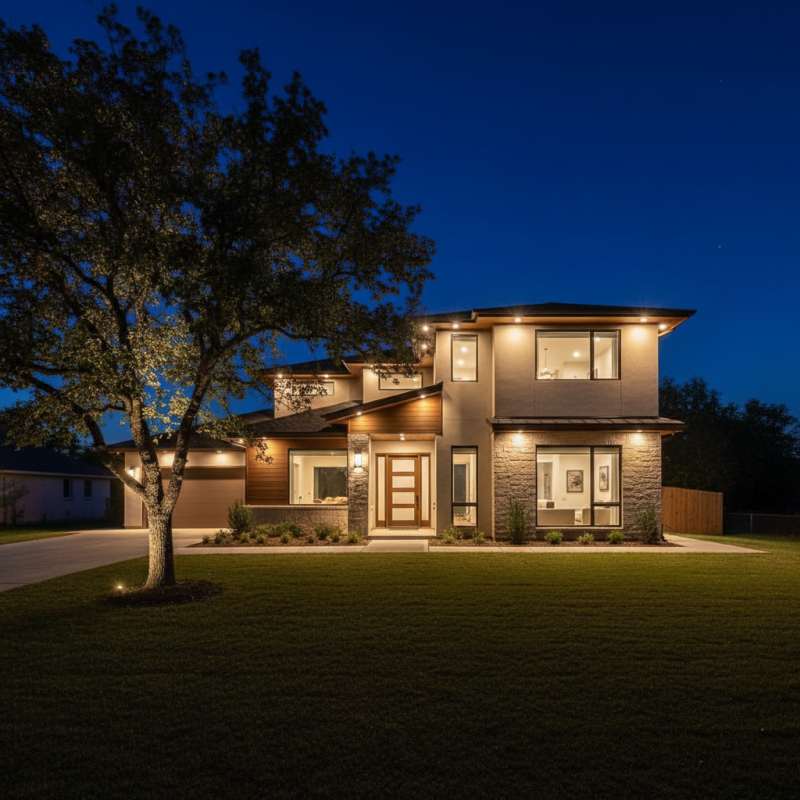
Understanding the Purpose of Eave Lighting in Home Design
Eave lighting serves multiple purposes in home design. It enhances the exterior aesthetics of a house while providing essential safety and security features. Properly installed fixtures can illuminate dark areas, preventing accidents during the night. This is especially critical for entryways and walkways. Without adequate lighting, these spaces can become hazards.
Moreover, eave lighting contributes to creating a warm and inviting atmosphere. When guests arrive, well-placed lights can highlight architectural features, adding charm to the home’s exterior. However, achieving the right balance can be challenging. Too much brightness can be overwhelming and unwelcoming. You might have to experiment with different angles and distances to find what works best.
Consider the style of your home when choosing lighting options. Modern homes may benefit from sleek, minimalist fixtures. Meanwhile, traditional designs could look great with vintage-style lights. Take time to reflect on how each choice complements your overall design. It’s easy to skip this step, but thoughtful decisions yield the best results.
Identifying Different Types of Eave Lighting Fixtures Available
When it comes to eave lighting, understanding the various types of fixtures is essential. Common options include recessed lighting, wall-mounted fixtures, and pendant lights. Each type serves different aesthetic and functional purposes. For instance, recessed lights offer a sleek look and work well for illuminating pathways. In contrast, wall-mounted options can enhance architecture by highlighting eaves.
Data from the American Lighting Association shows that nearly 45% of homeowners prioritize outdoor lighting for security. Wall-mounted fixtures often fulfill this need. Most styles are designed to withstand weather changes. That said, improperly installed fixtures may lead to short circuits or premature burnout. Pendant lights, while stylish, require proper height installation to avoid safety hazards.
When choosing eave lighting, consider energy efficiency. LED options are popular. They consume up to 75% less energy than traditional bulbs and have a longer lifespan. However, some homeowners struggle with initial costs. Maintaining a balance between style and practicality is crucial. You might need to re-evaluate your choices after installation. Sometimes, what looks good may not perform well in real-life scenarios.
Evaluating Brightness and Color Temperature for Eave Lighting
Choosing the right eave lighting can transform your home’s exterior. Brightness is one key factor. Too much brightness can be harsh and uninviting, while too little leaves areas dark and unsafe. Consider the purpose of the lighting. Do you want to illuminate pathways, highlight architectural features, or create an ambiance? Strike a balance that suits your needs and enhances safety.
Color temperature is equally important. Warm light, around 2700K to 3000K, creates a cozy and welcoming environment. Cooler temperatures, like 4000K to 5000K, offer a more modern and crisp appearance. Think about your home’s style and the mood you want to evoke. An overly cool light might clash with a rustic design. Test different lights to see how they appear throughout the day.
Reflecting on your choices is vital. Remember, sometimes the right lighting is about subtlety. Overly bright fixtures can distract rather than enhance. Ask for feedback from neighbors or friends. They may provide insights you hadn’t considered. Make sure your eave lighting contributes to the overall aesthetics without overwhelming the space.
How to Choose the Best Eave Lighting for Your Home? - Evaluating Brightness and Color Temperature for Eave Lighting
| Lighting Type | Brightness (Lumens) | Color Temperature (Kelvin) | Ideal Use |
| LED Floodlight | 1000-1200 | 5000K - 6000K | Outdoor Security & Bright Area Lighting |
| Soft White LED | 800-1000 | 2700K - 3000K | Warm Atmosphere for Entryways |
| Daylight LED | 900-1100 | 5000K - 6500K | Bright and Refreshing Look |
| Vintage Bulbs | 600-800 | 2200K - 2700K | Aesthetic Appeal for Porches |
| Smart LED Lights | 800-1200 | 2700K - 6500K | Customizable Mood Lighting |
Considering Energy Efficiency and Longevity of Lighting Options
When choosing eave lighting, energy efficiency is crucial. LED lights are often the best option. They consume less power and last longer than traditional bulbs. This efficiency leads to lower electric bills over time. Consider fixtures with a high lumen output. A brighter light can enhance your home’s exterior while still being energy conscious.
Longevity is another important factor. A good eave light should withstand various weather conditions. Look for features like water resistance and durable materials. Some lights may fail after a few months, which is frustrating. It can be disheartening to replace bulbs frequently. In contrast, quality fixtures can last up to several years without issues. Paying attention to these details can save time and money in the long run.
Don’t overlook the style of your eave lighting. While function is key, aesthetics matter too. A light that clashes with your home’s design may cause regret later. Finding the right balance between efficiency and appearance can be challenging. It's a decision that requires careful consideration and reflection.
Assessing Placement and Spacing for Optimal Eave Lighting Effects
When considering eave lighting for your home, placement is crucial. The right position enhances both safety and aesthetics. Installing lights too high can create shadows. This may lead to dim areas that feel unsafe. Lights placed too low might not illuminate pathways effectively. Aim for a balanced height that provides even coverage.
Spacing is another key element. Uneven spacing can lead to harsh shadows or overly bright spots. When installing multiple fixtures, consider the distance between them. A good rule of thumb is to space the lights 8 to 10 feet apart. This spacing allows light to blend smoothly across surfaces. Remember to evaluate the width of the eaves as well.
Tip: Use warm white bulbs for a cozy glow. Cooler lights can sometimes feel stark. Experiment with different placements before finalizing the setup. It might take time to find the perfect configuration. Reflect on how the lighting works at different times of the day. Every home has unique features that influence lighting. Embrace the process and don't rush the decision.